
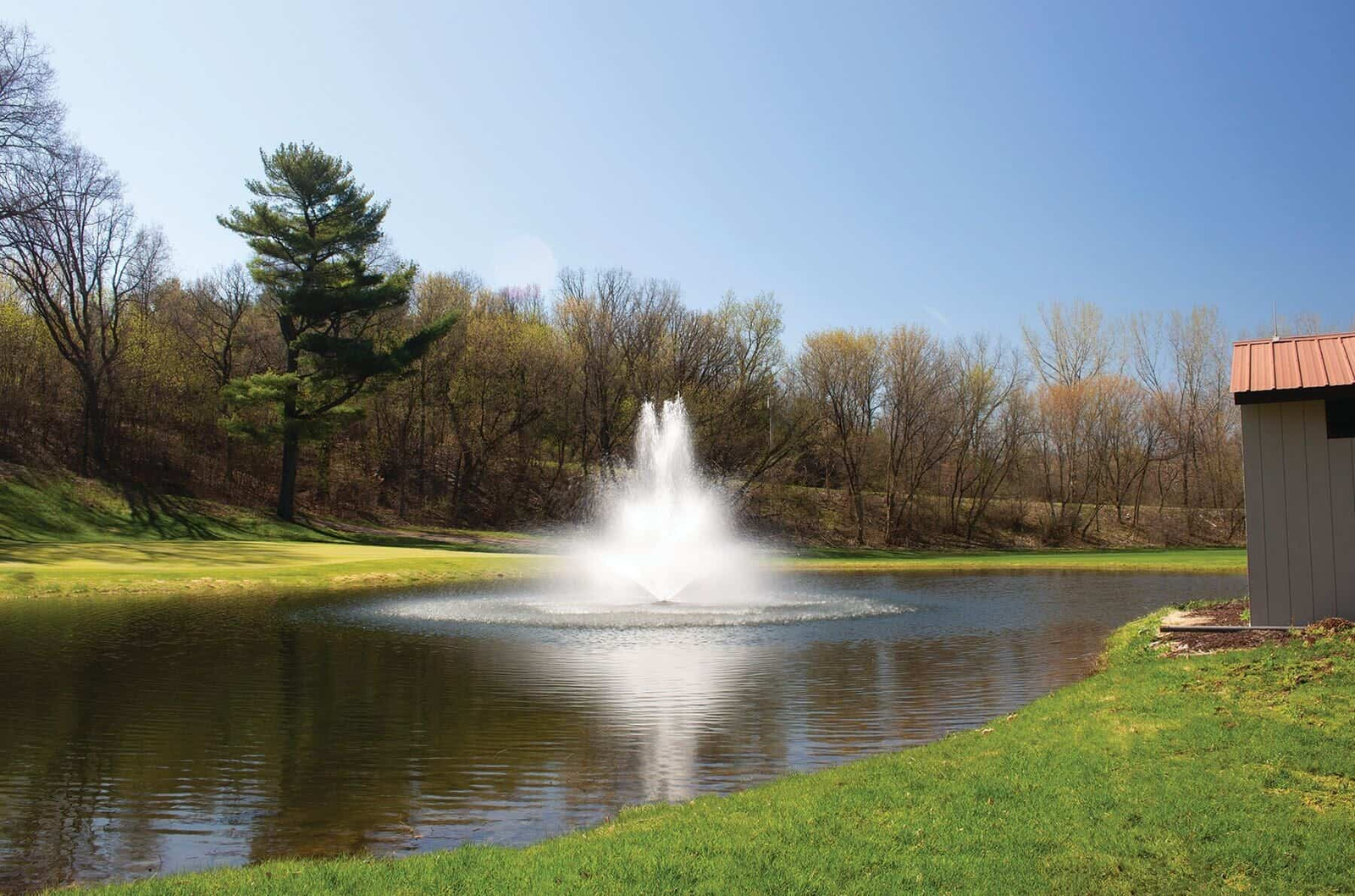
Fountains lose their magic the moment the water spray weakens or the pattern starts sputtering above the water. Behind every steady arc of plume sits a piece of equipment quietly doing the heavy lifting beneath the surface. Choosing the right unit shapes how your feature looks, sounds, and holds up across changing weather and shifting seasons.
The right water pumps for fountains give your installation a clean, reliable performance that keeps every droplet moving with purpose and pressure. They drive consistent spray heights, support healthy circulation, and quietly extend the working life of your entire setup. With a properly matched unit, your fountain becomes an asset rather than a maintenance burden, season after pleasant season throughout the year.
Where Power Meets Poetry in Water Movement
Matching Horsepower to Spray Ambition: When the goal is a tall, dramatic plume of water, the right horsepower carries the weight of that ambition. A unit sized too small struggles, sputtering at the nozzle and dropping the arc short of expectations. Sizing correctly means weighing pond depth, head height, and the pattern you actually want to see daily.
Reading Pressure Behind the Pattern: Pressure shapes the silhouette your fountain throws into the air, deciding whether water rises as a fine mist or a thick rising column. Misjudging the required flow rate often leaves owners with limp displays that disappoint and quietly waste energy each month. Steady pressure also reduces strain on internal components, sparing you from weekend repair calls.
The Hidden Cost of Underpowered Units: Choosing the cheaper, weaker model feels smart on day one, then becomes regrettable by the second season. An undersized unit overworks itself constantly trying to meet demands beyond its capacity, burning out faster than its label suggests. The savings disappear once replacement and reinstallation labor enter the picture for the unprepared homeowner.
Quiet Engineering Beneath the Surface
Built to Resist What Water Throws Back: Submerged equipment faces constant exposure to minerals, debris, and shifting temperatures that wear down lesser materials quickly. Look for housings built with corrosion-resistant alloys that hold up through years of contact with treated or untreated pond water. This kind of construction quietly protects your investment from the slow damage most owners never see coming.
Filtering Out the Threats You Cannot See: Tiny particles slip into a fountain system and grind away at impellers long before any visible warning surfaces. A solid intake screen catches debris before it reaches sensitive moving parts, sparing you premature replacements down the road. Cleaning these screens takes minutes, yet skipping the habit shortens equipment life and turns a calm hobby into a headache.
The Quiet Math Behind a Well-Matched Setup
Measure Before You Buy Anything: Walking into a purchase without measurements usually ends in returns, frustration, and a fountain that disappoints from day one. Take down pond surface area, average depth, and the spray style you want before browsing options. A few quiet minutes with a tape measure saves hours later and prevents the slow drag of buyer regret.
Specifications Worth Weighing Carefully: Several variables shape whether a model genuinely suits your space or simply looks promising on a glossy product page online. The points below help narrow your search without getting lost in marketing language or clever feature names that often mean very little in real-world installations. Use them as a quick checklist before committing.
- Pond depth determines whether a surface unit or a deeper-set option moves oxygen more effectively across the full water column.
- Spray height should mirror the scale of your pond, since an oversized arc on a small feature looks oddly out of place.
- Power source choices range from standard corded models to solar-driven alternatives suited for off-grid or remote outdoor installations.
- Noise output matters more than expected for indoor placements, where a quiet soundscape is part of the room’s overall appeal.
- Replacement parts availability saves real frustration later when a small component eventually wears down and needs swapping out.
Read also: Master Your Syllabus: The Student Guide to Managing Heavy Course Loads in Canada
Small Habits That Outlast Big Repairs
Cleaning Schedules That Actually Stick: Routine cleaning sounds simple until life gets busy and weeks pass between inspections of your equipment. A monthly rinse of the intake, paired with a seasonal check of the housing, prevents most issues leading to total replacements. Setting calendar reminders feels small, but it keeps your fountain running smoothly during the busiest stretches of the year.
Spotting Trouble Before It Becomes a Repair: Unusual sounds, weaker spray, or a flicker in flow all hint at something developing inside the unit. Catching these signals early often means a quick clean rather than a costly part replacement later down the line. Most owners ignore the first hints and pay for it within months when a small fix would have saved everything.
A Fountain That Earns Its Keep Year After Year
The difference between a fountain that hums along for years and one that frustrates from week one comes down to the equipment beneath the water. Take time matching specifications, prioritize materials built for the elements, and treat maintenance as part of ownership rather than an afterthought. Start exploring your options today and give your feature the steady heart it deserves.
