
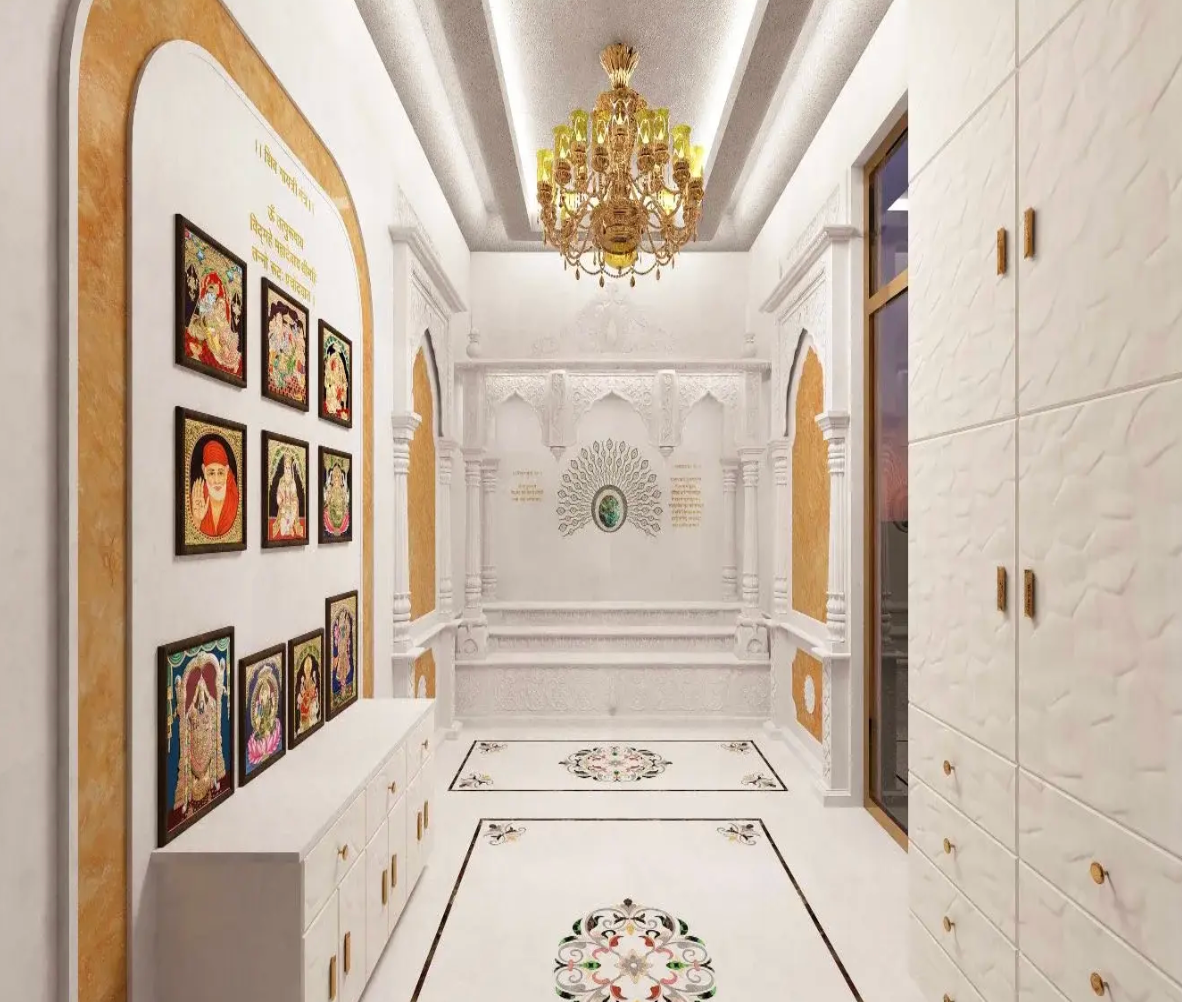
In many Indian homes, the prayer space holds emotional, spiritual, and cultural importance. While interior design trends continue to evolve with changing lifestyles, the presence of a home temple remains deeply connected to daily living. Over time, white marble temples have become one of the most preferred choices for modern prayer spaces because they combine traditional craftsmanship with timeless visual appeal.
Today, white marble temples are no longer limited to large traditional homes. They are increasingly being integrated into modern apartments, villas, duplexes, and even compact urban interiors. Their ability to blend spirituality with contemporary design aesthetics has made them an important element in modern Indian interior planning. From minimal prayer corners to elaborate handcrafted mandirs, white marble continues to influence how homeowners create peaceful and meaningful spaces within contemporary interiors.
One reason for this lasting popularity is the versatility of white marble itself. It naturally complements different design styles while also carrying a sense of purity, calmness, and elegance that many homeowners associate with sacred spaces.
The Timeless Appeal of White Marble
White marble has been used in Indian architecture and temple craftsmanship for centuries. Its smooth texture, natural brightness, and refined appearance have long been associated with spiritual spaces and heritage structures.
In modern homes, this same quality allows marble temples to feel both traditional and contemporary at the same time. Unlike materials that follow short-lived design trends, white marble offers a timeless appearance that adapts well to changing interior styles. Whether a home follows a minimalist design language or a more classic aesthetic, marble temples often fit naturally within the overall space.
The clean and neutral appearance of white marble also makes interiors feel lighter and more peaceful. Since prayer areas are usually intended to create calmness and focus, the visual simplicity of marble contributes strongly to that atmosphere.
Another reason homeowners continue choosing white marble is durability. Marble structures are known for their strength and long-lasting quality, making them suitable for spaces that are used daily over many years.
See also: A First-Time Traveler’s Guide to Exploring the Balkans
Balancing Spirituality With Modern Design
Contemporary homes are increasingly designed around open layouts, compact planning, and multifunctional spaces. This creates new challenges when incorporating traditional elements like home temples. Interior designers and homeowners are therefore finding creative ways to integrate marble temples without disrupting the modern flow of the home.
Instead of treating prayer areas as isolated rooms, many contemporary interiors now include thoughtfully designed mandir spaces within living rooms, hallways, dining areas, or dedicated corners. White marble helps these spaces feel visually connected with the rest of the interior while still maintaining spiritual significance.
Modern marble temples are also available in a wide variety of styles and sizes. Some feature intricate carvings inspired by traditional temple architecture, while others adopt cleaner lines and simpler structures suited for modern apartments. This flexibility allows homeowners to create spiritual spaces that align with both personal beliefs and modern lifestyles.
The ability to combine tradition with contemporary aesthetics is one of the main reasons white marble temples continue to influence interior design across generations.
Creating a Sense of Calm Within Urban Homes
Urban living often comes with fast-paced routines, smaller spaces, and constant digital distractions. Because of this, many homeowners now prioritise interiors that feel peaceful and emotionally grounding.
Prayer spaces play an important role in creating that sense of calm. White marble temples naturally contribute to a soothing atmosphere because of their soft tones, reflective surfaces, and elegant simplicity. Even a small marble mandir can become a visual focal point that brings balance to the home environment.
Lighting also enhances the effect of marble interiors. Soft warm lights reflected against white marble surfaces create a gentle and peaceful ambience, particularly during morning and evening prayers.
This emotional connection explains why marble temples continue to remain relevant even in highly modern homes where other traditional design elements may have disappeared over time.
Craftsmanship Remains an Important Influence
One major factor behind the continued popularity of marble temples is the craftsmanship involved in their creation. Traditional carving techniques, detailed jaali work, domes, pillars, arches, and ornamental patterns continue to influence modern temple designs.
Even contemporary homeowners often appreciate handcrafted detailing because it adds uniqueness and artistic value to interiors. Skilled marble craftsmanship allows temples to feel more personal and culturally rooted rather than mass-produced.
At the same time, modern temple designs are adapting these traditional details in more subtle ways. Instead of heavily ornate structures, many contemporary marble temples use balanced carvings and simplified forms that suit modern interiors without appearing visually overwhelming.
This combination of traditional artistry and contemporary restraint has become a defining feature of modern marble mandir design.
Marble Temples as Interior Focal Points
In many homes today, marble temples are designed not only for religious purposes but also as important architectural elements within the interior layout.
Because white marble naturally draws attention, mandirs often become visual centrepieces within living spaces. Designers frequently use lighting, wall textures, decorative panels, and elevated platforms to highlight these areas without making them feel disconnected from the overall home design.
The growing popularity of customised interiors has also encouraged homeowners to personalise temple spaces according to available space, family traditions, and aesthetic preferences. Some prefer compact wall-mounted mandirs, while others choose larger standalone structures inspired by classical temple architecture.
This adaptability allows marble temples to remain relevant across homes of different sizes and styles.
Influence on Minimalist Interior Trends
Minimalism has become one of the strongest trends in contemporary interior design, especially in urban homes. Interestingly, white marble temples align naturally with minimalist principles because they emphasise clarity, simplicity, and visual balance.
Rather than using excessive decoration, many modern prayer spaces now focus on clean geometry, subtle detailing, and carefully selected materials. White marble supports this approach while still preserving the sacred and traditional identity of the space.
Minimalist marble temples also work well in apartments where space is limited. Compact designs with organised storage, concealed lighting, and elegant finishes allow homeowners to maintain spiritual spaces without overcrowding interiors.
This practical flexibility has made marble temples increasingly popular among younger homeowners and modern families.
Cultural Continuity in Modern Homes
As interior design trends continue changing globally, many Indian homeowners still look for ways to preserve cultural familiarity within modern living spaces. Marble temples help maintain that connection.
For many families, the home mandir is not simply decorative. It represents routine, family tradition, spirituality, and emotional comfort. Incorporating a marble temple into contemporary interiors allows homeowners to retain these values while adapting to changing lifestyles and architectural styles.
This balance between modernity and tradition reflects a broader shift in Indian interior design, where homeowners increasingly seek spaces that feel emotionally meaningful rather than purely trend-focused.
Final Thoughts
White marble temples continue to influence contemporary home interiors because they successfully combine spiritual significance, timeless beauty, and practical adaptability. In modern homes, they are no longer treated as isolated traditional additions but as carefully integrated parts of the interior environment.
Their clean appearance, calming presence, handcrafted detailing, and compatibility with both classic and modern aesthetics make them highly relevant in today’s homes. Whether placed in compact apartments or larger residences, marble temples continue to create spaces that feel peaceful, elegant, and culturally connected.
As homeowners increasingly look for interiors that balance functionality with emotional value, white marble temples are likely to remain an enduring feature of contemporary Indian home design for many years to come.
