
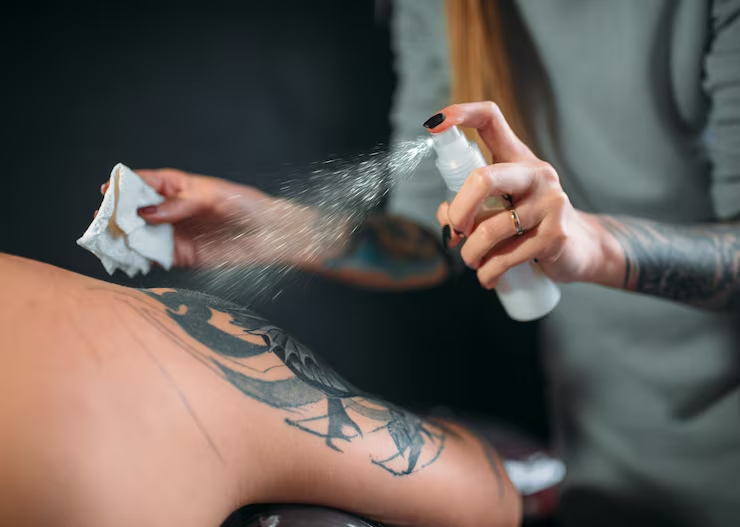
Getting a tattoo inked sounds exciting until the session actually starts. Most people walk into a studio thinking they can handle the pain without much trouble. Then the needle touches sensitive skin, and things change quickly for the worse. A small tattoo may feel manageable. A larger piece that takes several hours is a completely different experience. Some clients tap out early. Others struggle silently because they do not want to look nervous in front of the artist.
That is one reason why a tattoo numbing spray has become more common in professional studios. Clients want to sit longer without feeling overwhelmed halfway through the appointment. Tattoo artists also prefer working on calm clients because constant movement can affect line work and shading. A relaxed session usually produces cleaner results. It sounds simple, though many people still feel unsure about using numbing products before a tattoo.
Pain tolerance changes from person to person. Someone may sit through a forearm tattoo easily but struggle badly with ribs, knees, or the spine. Skin sensitivity matters too. Long sessions often create mental fatigue before physical pain becomes the biggest problem. After a few hours, even experienced tattoo collectors begin shifting in their chairs. That constant discomfort can slowly turn an exciting experience into something stressful.
Why Long Tattoo Sessions Feel More Difficult
A tattoo machine repeatedly punctures the skin at high speed. The body reacts immediately. Nerves become irritated, muscles tighten, and sensitive areas may feel almost unbearable after extended periods. Many clients prepare for the first hour but underestimate what happens later. The pain tends to build gradually.
Some areas are usually harder to tolerate:
- Rib cage
- Elbows
- Hands and fingers
- Knees
- Ankles
- Neck
- Spine
Large tattoos create another challenge. Sessions can last several hours, sometimes longer than expected. Clients who become restless may ask for extra breaks, and that can slow the artist down. The body also becomes more reactive over time. Even people with high pain tolerance can feel exhausted near the end.
See also: Designing Custom Wine Labels That Comply
What Tattoo Numbing Sprays Actually Do
A numbing spray works by reducing sensation on the skin during tattooing. Most sprays contain ingredients that temporarily block nerve signals in the area they are applied to. The goal is not to remove every feeling completely. It simply lowers discomfort enough for clients to remain comfortable longer.
Many artists apply numbing spray during the session rather than before it begins. Some believe it works better once the skin has been slightly opened. There are mixed opinions about timing, honestly. Different artists prefer different approaches depending on the tattoo style and body placement.
Clients often notice a few immediate changes:
| Without Numbing Support | With Numbing Support |
| Frequent movement | Better stillness |
| More session breaks | Longer working periods |
| Increased stress | Calmer experience |
| Higher sensitivity | Reduced irritation |
That calmer experience matters more than people realize. Anxiety and pain usually feed each other. Once a client becomes tense, the body reacts even harder.
Longer Sessions Become More Manageable
Large back pieces, sleeves, and detailed shading require patience. Many tattoo artists prefer completing as much work as possible in one sitting. Repeated appointments can slow healing schedules and stretch projects across months.
Clients using numbing support often handle longer appointments with fewer interruptions. They stay focused longer. Breathing remains steadier. Some even become relaxed enough to hold conversations during difficult sections. That may sound surprising to someone getting their first tattoo, though it happens often.
There is another side people rarely mention. When discomfort drops, clients usually stop obsessing over every minute passing on the clock. Time feels slower during pain. A five-hour session can feel endless when the body stays tense the entire time.
Choosing The Right Product Matters
Not every numbing spray performs the same way. Some products wear off too quickly. Others may irritate sensitive skin if used improperly. Professional tattoo artists usually test products over time before deciding what works best in their studio.
Clients should pay attention to:
- Ingredient quality
- Skin sensitivity
- Session length
- Artist recommendations
- Healing concerns
A patch test may help before a large appointment. Skin reactions are uncommon, though they still happen occasionally. Some people assume stronger numbing always means better results. That is not always true. Overuse can sometimes affect skin texture during tattooing.
Many professionals also discuss proper aftercare, as skin conditions affect healing. Products related to skin barrier recovery often come up in longer sessions.
Comfort Can Improve Tattoo Quality
This part gets overlooked constantly. A comfortable client usually helps the artist perform better work. Tattooing requires precision. Even slight movements can interrupt line consistency or shading detail. Clients in pain tend to twitch unexpectedly, especially around sensitive areas.
Calmer sessions create a better working environment overall. Artists can focus on details instead of repeatedly stopping to let clients recover mentally. Some studios even structure large appointments around comfort management from the beginning.
Here is why that matters:
- Better stillness supports cleaner lines
- Fewer interruptions help the session flow
- Reduced stress helps communication
- Clients feel more confident returning for future work
There is also the mental side of tattooing. A painful experience can discourage people from finishing large projects later. Some unfinished tattoos stay incomplete for years because the client dreads another session.
Common Misunderstandings About Numbing Sprays
People still constantly debate numbing products online. Some claim they ruin the tattoo process. Others treat them like magic solutions. The reality sits somewhere in the middle.
A numbing spray does not make someone invincible. Sensitive areas can still feel uncomfortable. Sessions still require patience. Skin still becomes irritated over time. The spray simply reduces the intensity enough to make longer sessions easier to tolerate.
Another misunderstanding involves healing. Some clients assume that numbing products automatically damage healing. Most professional-grade products are designed for tattoo use when applied correctly. Artists who understand skin response usually know when and how to apply them safely.
During larger projects, conversations about topical anesthetics often appear alongside discussions around skin recovery and aftercare timing. Those details matter more than many first-time clients expect.
Why More Clients Ask For Numbing Support Today
Tattoo culture has changed. People now book larger, more detailed work than ever before. Full sleeves, realism pieces, and multi-session projects have become common. Clients also arrive better informed thanks to social media and tattoo forums.
Pain management no longer feels taboo inside many studios. Clients want a better experience, not a tougher one. That shift makes sense. Sitting through unnecessary discomfort does not improve the final tattoo.
Some artists still prefer working without numbing products. Others openly recommend them for difficult placements. There is no universal rule. Still, comfort tools continue to gain attention because they help many people complete tattoos they might otherwise have avoided.
A long tattoo session already demands patience, focus, and endurance. Reducing discomfort helps clients stay committed to the process from start to finish. That alone can completely change the overall experience.
